The Role of Characters in Building Empathy in Kids

Walking in Someone Else's Shoes
When kids encounter a character, be it a brave explorer, a timid inventor, or even a misjudged monster, they don't simply watch from the outside in. They feel what the character feels. They get excited, scared, heartbroken, and hopeful right along with them. In these communal feelings, kids learn to feel things they may never otherwise have felt. That's where empathy starts to grow.
A Safe Place to Experience Big Feelings
Books give children a safe place to experience hard feelings. While they see a character move to a new city, lose something or someone they love, or forgive a friend, they get to experience that big feeling without actually living it. Books are training grounds, and they allow children to practice skills like resilience, kindness, and empathy.
Introducing Children to All Kinds of People Through Reading
Characters also expose us to new worlds. Children meet people from other worlds, cultures, and ways of life through them. No matter how differently someone may look or live, children learn that feelings like happiness, sadness, and love are everywhere. Children's learning books show kids how our differences make the world interesting and beautiful.
Learning Life Skills Without Even Knowing It
When characters apologise, defend someone, or are compassionate, children notice. They absorb these lessons like sponges. When the situation arises in real life sometime in the future, the lessons they learned from their favourite books have a way of coming back to them, guiding them toward making good choices without so much as a second thought.
Feeling, Not Preaching
You can't teach empathy by discussing it. Kids need to feel it. Moral stories for children allow kids to step into someone else's world to care, to hurt, to hope and to be safe while doing so. Those feelings linger long after any set of "rules" ever could.
How Parents and Teachers Can Help
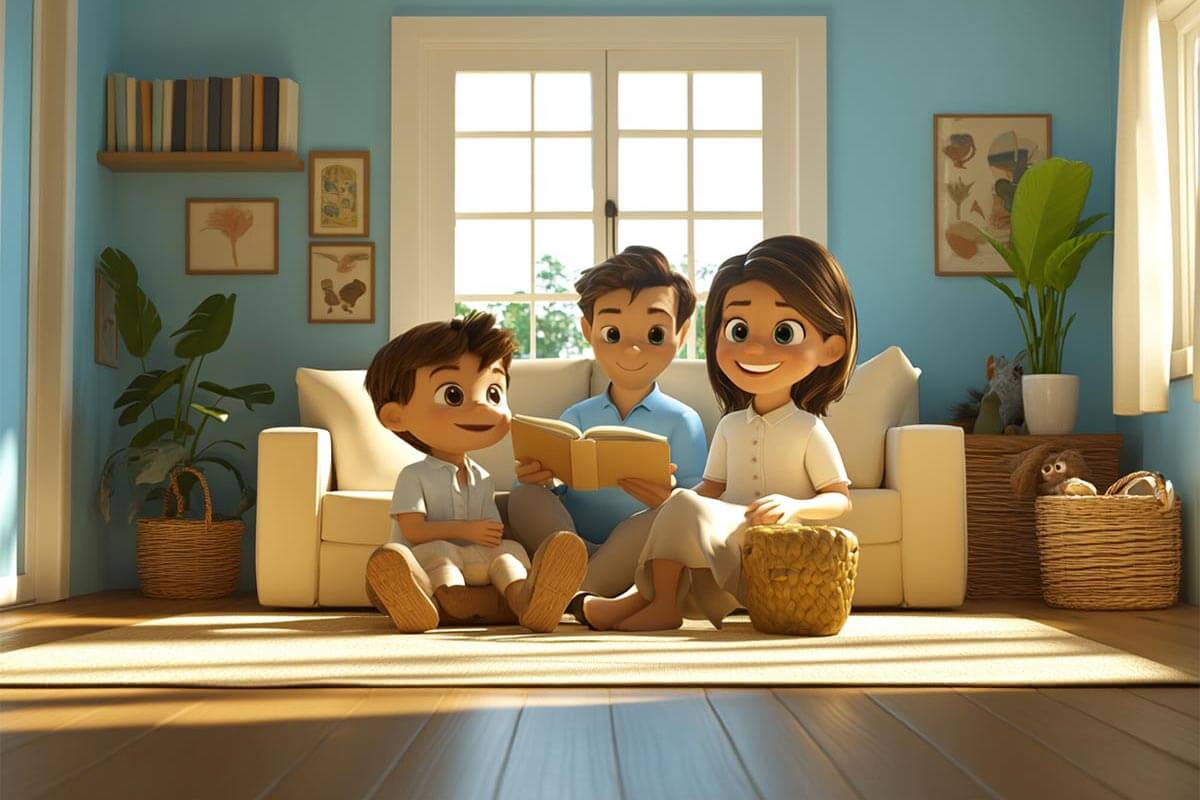
Parents, teachers, and caregivers can help by choosing interactive books for kids whose characters children can actually relate to. After reading, take an additional minute or two to say, "How do you think he felt?" or "What would you have done?" These brief discussions better help children gain feelings.
Conclusion
Literary characters are not mere make-believe friends. They can be fantastic role models, and they can teach children to be nicer, kinder people. As we read fiction, we're not merely instructing children to observe, we're instructing children to feel and care for other individuals.