Digital Reading: Beneficial or Not for Your Children's Development?

Why Digital Reading Can Be Good for Children
Easy Access to Books
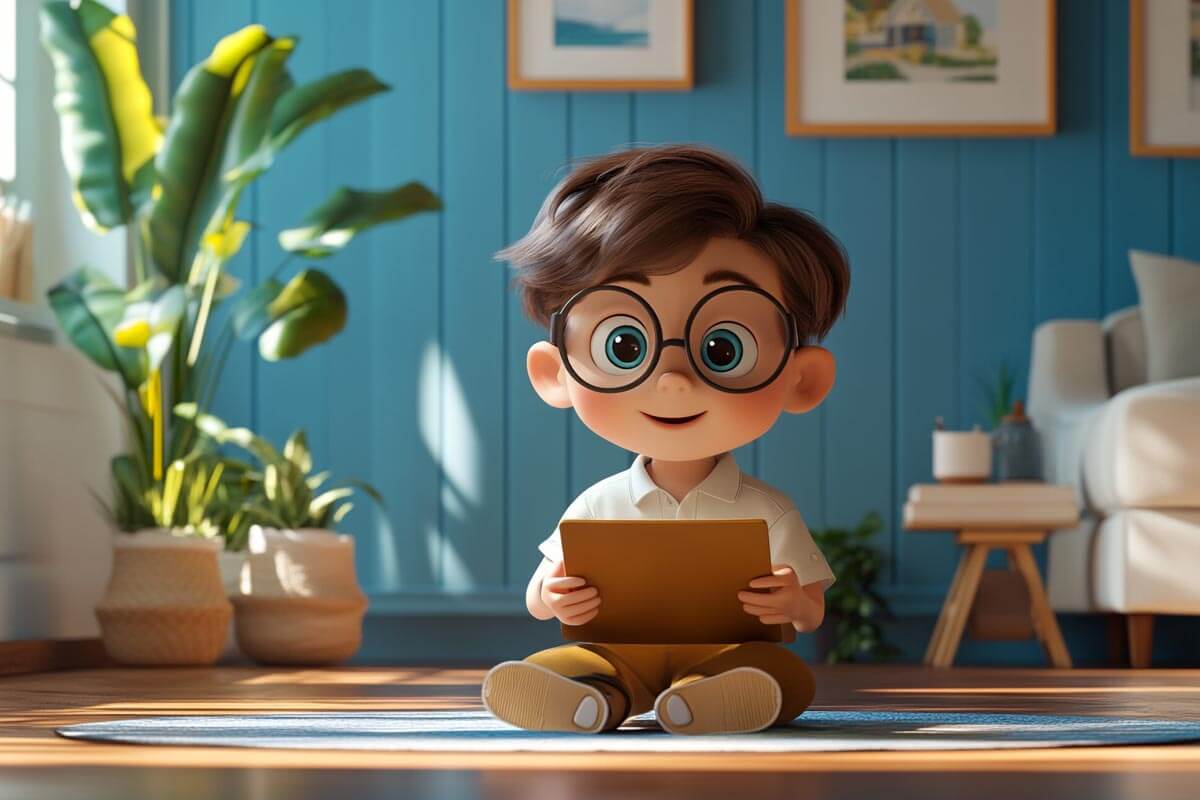
Electronic books are easy to find and read anywhere, anytime. For children who are far from libraries or who do not have many books at home, e-books put the world of stories and information at their fingertips. Groups like the International Literacy Association indicate that reading digitally has opened the door for more families to access the books they need.
Fun, Interactive Features
Most e-books offer additional features including read-aloud voices, animation, and tap-to-learn words. Such fun features may make reading a more enjoyable activity, especially with younger children. They may also help differently wired children by offering them both something to see and something to hear that enhances comprehension of the story.
Building Tech Skills
Screen reading can also make kids more proficient at working with technology, an important skill in school and on the job down the road. By beginning with digital tools, kids learn to look for good information, think critically about what they find, and use technology to learn, not play.
Important Things to Know About Digital Reading
Managing Screen Time
Reading on screens can be great, but too much screen time isn't healthy. Staring at a screen for too long can make your eyes tired and can mean less time running around and playing. The American Academy of Pediatrics says it's important to take breaks. Kids should have time to play outside, move their bodies, and talk with family and friends.
Why Grown-Ups Should Join In
Kids learn more from reading - whether on a screen or in a book - when a grown-up reads with them. Asking questions about the story, talking about new words, and sharing the experience helps kids understand and enjoy reading more. A study in the journal Pediatrics found that kids pay more attention and learn better when caregivers read with them during digital storytime.
Picking Good Digital Books
Not every digital book is good for learning. Some are just flashy and noisy without much story or learning. It's better to choose ebooks and apps that have strong stories and good vocabulary and are made for a child's age and stage of learning. Experts say to pick ones that help kids grow their reading skills, not just entertain them.
Simple Tips to Make Digital Reading Better
- Pick Good Books and Apps: Choose ones that tell great stories and help with thinking and reading skills.
- Read Together: Reading with your child helps them learn more. Ask questions and guess what might happen next!
- Mix It Up: Use both printed books and e-books. It keeps reading fun and gives kids different ways to learn.
- Create a Cozy Reading Spot: Find a quiet, comfy place where your child can focus and enjoy reading.
- Be a Reading Role Model: Let your child see you reading too. Books, e-books, anything! Show them that reading is a fun and important part of everyday life.
Conclusion
Digital reading, when thoughtfully integrated into a child's routine, can help with development, creativity, and mental engagement. Make sure to select high-quality content, manage screen time wisely, and stay involved in the reading experience of the child.
The Importance of Repetition in Stories for Memory and Comprehension Development
Have you ever noticed how much kids love to hear the same story being read a million times in a row? Even if adults find it too much, kids are acquiring so much information every time they listen. Repeating stories aids developing young minds. It builds memory, it exposes kids to new words, and it helps kids learn the story better every time.
Why Repetition Matters in Early Childhood
When kids are little, their brains are continuing to make vital connections. They get reinforced with repetition. The more a child hears a repeated story, the more his brain is practicing remembering, making sense, and predicting what is happening next. Repetition, according to Harvard's Center on the Developing Child experts, actually does cause the brain to learn and develop more rapidly in those early formative years. Also, when kids listen to a story that they know, it makes them at ease. They can predict what will happen, which makes them feel smart and confident. This makes them engage more and enjoy the story even more.
Repetition Helps Children Learn New Words
One of the best aspects of retelling stories is how it helps children learn new words. Children usually need to be shown a new word many times before they pick it up and use it. Stories that are read over and over again naturally give children many chances to hear and remember new words. Research in the Journal of Child Language found that when children listen to the same story again and again, they pick up more new vocabulary than if they listened to many different stories. Repeating words allows children to recall what the words mean and how to say them.
Helping Kids Understand and Tell Stories Better
When kids hear the same story again and again, they start to understand more than just what happens - they also learn why it happens. They notice cause and effect, figure out why characters do things and remember important details. As kids listen to stories over and over, they:
- Get better at listening carefully
- Learn how events fit together in order
- Start to "read between the lines" and guess things the story doesn't say directly
- Understand how stories are built, which helps them later with writing and talking
Feeling Safe and Growing Smarter
Kids love knowing what's going to happen. Familiar stories make them feel safe and happy. When they already know the story, they can listen more closely to the words, voices, and feelings. Hearing the same stories also teaches kids to be patient and to stick with things - skills that help them in school and with friends.
How to Use Repetition in a Fun Way
- Pick Great Stories: Choose books with fun words and feelings kids can understand.
- Let Kids Join In: Pause and let them finish sentences or guess what's next.
- Change Your Voice: Use funny voices or different feelings to keep it exciting.
- Follow Their Lead: If they ask for the same story again, it's a good thing! It means they are learning.
- Ask Simple Questions: After a few times, ask easy questions to help them think more about the story.
Conclusion
While repetition may be stressful for adults, it is an important element in children's cognitive, language, and emotional development. Through repeated storytelling, children are not just memorizing words - they are building the skills that will help their academics and emotional intelligence.